

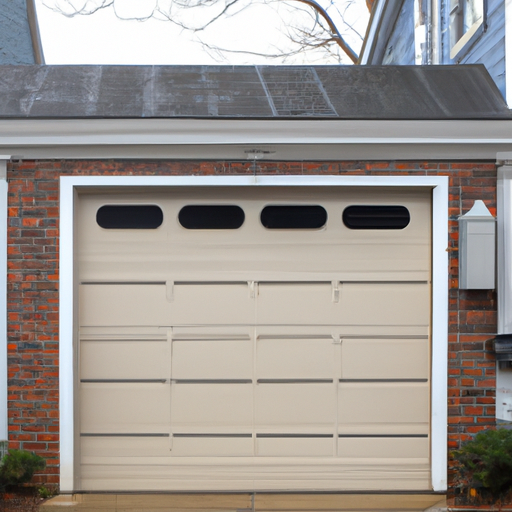
Cambridge, MA homeowners are increasingly installing smart garage systems to add convenience and security to their properties. These connected setups bring remote access, sensors, and automation, but in New England winters and wet springs they need specific weatherproofing. This guide explains practical weatherproofing for smart garage systems, focusing on common risks in Cambridge like freezing temperatures, salt air near the river, and heavy rain. Read local tips, upgrades you can install, and when to call a pro. For seasonal advice and deeper reads, see our blog.
Why weatherproofing matters for smart garage systems in MA
Smart garage systems bring electronics, motors, and sensors into a space that was once purely mechanical. Without proper protection, moisture, ice, and temperature swings can cause false sensor readings, reduced battery life, and motor failure. In Cambridge winters, condensation and salt can corrode connectors while sudden thaws can let water into control boxes. Weatherproofing reduces service calls and extends the useful life of smart garage systems.
Weatherproofing upgrades for smart garage systems
Focus on the control points where weather meets electronics. These upgrades are practical for most residential service budgets and deliver measurable benefits.
Door sealing and thresholds
Replace worn bottom seals, install side and top weatherstripping, and fit an aluminum or rubber threshold. Proper seals keep water, drafts, and pests away from the door cavity and sensors. For smart garage systems, a dry environment around photo-eyes and door sensors prevents false open/close events.
Insulation and door panels
Upgrading to insulated panels reduces temperature swings inside the garage. Insulation lowers humidity buildup and makes batteries and circuit boards in your smart garage systems operate inside recommended ranges. Choose a thermal R-value appropriate for unheated spaces to reduce icing and condensation.
Control box protection and sensor enclosures
Move or re-housing the opener control box into a sealed enclosure is a small expense with big payoff. Use NEMA-rated junction boxes or rubber gaskets at connector points. For outdoor sensors, choose weatherproof housings and silicone-sealed cable entries so rain and salt air can’t corrode contacts. These steps protect the electronics that make smart garage systems reliable.
Drainage, thresholds, and driveway slope
Incorrect driveway slope or blocked drains allow water to pool at the garage door. Correct grading, add a trench drain, or raise the threshold to divert water. Good drainage reduces the chance that moisture will reach the run of wiring and the lower seals that protect smart garage systems.
Climate-specific considerations for Cambridge homeowners
Cambridge weather means dealing with freeze-thaw cycles, road salt, and spring rains. Tailor your approach:
- Use marine-grade connectors or dielectric grease on exterior terminals to fend off salt corrosion that can damage smart garage systems.
- Install short heated mats or space heaters only if they’re thermostat-controlled and safe for garage use; uncontrolled heat can harm some sensors.
- Choose insulation and weatherstrip materials rated for humid, coastal conditions to avoid mold.
Installation tips, timelines, and permits
A basic weatherproofing job—new seals, threshold, and a protective enclosure—can often be completed in a half day. More extensive work, like insulated panels, rewiring, or drainage changes, typically takes 1–2 days. If you’re upgrading electrical service or adding permanent heaters, check local codes; most small weatherproofing upgrades don’t require permits, but electrical changes may.
For professional installation and code questions, our services team can evaluate your garage and recommend a plan: https://garagedoors-cambridge.com/services. Expect a clear estimate with line items for parts, labor, and recommended warranty coverage.
Maintenance checklist and seasonal schedule
Regular maintenance keeps smart garage systems performing through tough weather.
- Spring: Inspect seals and drains after snow melt; clean sensors and check for corrosion.
- Summer: Test wireless connectivity and update firmware on smart garage systems; check battery backup health.
- Fall: Replace worn weatherstripping and test heating or moisture-control devices before cold sets in.
- Winter: Keep thresholds clear of ice; use de-icing methods safe for seals and sensors.
If troubleshooting or upgrades feel out of scope, call a local pro. For a fast appointment, contact our team: https://garagedoors-cambridge.com/contact.
Cost ranges, warranties, and what to expect
Typical weatherproofing costs vary by scope. Expect small jobs (seals, threshold, sensor enclosures) to run under $400. Mid-level projects (insulation, control-box relocation) commonly fall between $400–$1,200. Full door panel replacement or major drainage work can be $1,200+ depending on materials. Ask for a written warranty on parts and labor; many residential service providers offer 1–5 year warranties on installation work and manufacturer warranties on parts.
When budgeting, factor in the value of preventing downtime. A failed opener motor or corroded sensor can leave you locked out or cause safety risks—weatherproofing minimizes those chances and protects your investment in smart garage systems.
Quick checklist for Cambridge homeowners
- Inspect seals and thresholds every 6 months.
- Clean and test sensors after major storms.
- Use weatherproof enclosures on exposed control boxes.
- Choose corrosion-resistant connectors near coastal areas.
- Keep firmware and batteries current on smart garage systems devices.
Proper weatherproofing is a small cost for long-term reliability. If you want a site visit, a written estimate, or a maintenance plan tailored to Cambridge conditions, reach out through our contact page above. Regular attention improves performance and lowers emergency repair bills, especially for homes relying on smart garage systems for daily access.
Frequently Asked Questions
How does Cambridge winter affect smart garage systems?
Freezing temperatures can cause condensation and ice that interfere with sensors and create pressure on seals. Use insulated panels, replace worn seals, and install control-box enclosures to protect electronics.
Will weatherproofing my garage door void warranties on smart devices?
No—most manufacturer warranties remain valid if weatherproofing is done correctly. Keep receipts and ask your installer to document component compatibility and any changes to wiring or mounting.
Do I need a permit for weatherproofing upgrades?
Simple items like seals and thresholds usually need no permits. Electrical upgrades, new hardwired heaters, or structural work may require permits—check Cambridge building department rules or ask a licensed installer.
How long does weatherproofing take and what does it cost?
Minor weatherproofing can be completed in a half day and often costs under $400. Mid-range jobs (insulation, enclosures) take 1–2 days and typically run $400–$1,200. Get an on-site estimate for exact pricing.
Can I DIY weatherproof my smart garage systems?
Homeowners can replace seals and install thresholds themselves. For electronics, wiring, or enclosures, hire a qualified residential service technician to avoid damaging sensors or voiding warranties.
Helpful local resources in Cambridge, MA
- Garage Door Repair Boston
- Garage Door Repair Cambridge
- Garage Door Repair Newton
- Garage Door Repair Lexington
- Garage Door Repair Wellesley
- Garage Door Repair Brookline
- Garage Door Repair Somerville
- Garage Door Repair Burlington
- Garage Door Repair Andover
- Garage Door Repair Weston
- Garage Door Repair Belmont
- Garage Door Repair Westwood
- Garage Door Repair Sharon
- Garage Door Repair Needham
- Garage Door Repair Concord
- Garage Door Repair Hingham
- Garage Door Repair Scituate
- Garage Door Repair Marblehead
- Garage Door Repair Natick
- Garage Door Repair Milton
- Garage Door Repair Acton
- Garage Door Repair Medfield
- Garage Door Repair Sudbury
- Garage Door Repair Wayland
- Garage Door Repair Hanover
- Garage Door Repair Tewksbury
- Garage Door Repair Carlisle
- Garage Door Repair Dover
- Garage Door Repair Hopkinton
- Garage Door Repair Framingham

