

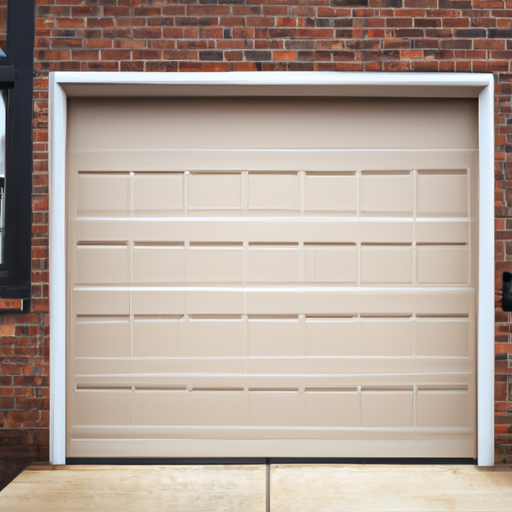
Energy-smart garage door choices for Cambridge, MA homeowners
If you live in Cambridge, MA and are planning a garage door installation, small choices now will save energy and money through New England winters. This guide focuses on practical upgrades that work with typical Massachusetts homes and the region’s climate. Whether you’re scheduling a full replacement or a new garage build, smart options at installation help your whole house perform better.
Why energy efficiency matters during garage door installation
A well-planned garage door installation reduces drafts, lowers heating loads, and improves comfort in attached homes. The door is often the largest moving exterior element on your home, so insulating and sealing it properly matters. Homeowners who add insulation panels, thermal breaks, or upgraded weatherstripping see measurable reductions in heat loss, and those gains add up over seasons.
Key performance goals
- Reduce air infiltration around the garage perimeter.
- Increase the R-value of the door to slow heat transfer.
- Minimize thermal bridging through hardware and tracks.
- Ensure a tight, durable seal at threshold and jambs.
Practical upgrades to include with garage door installation
During a garage door installation you have access to the cavity and fasteners that later become difficult to reach. Use that window to add upgrades that work together: door insulation, insulated panels, quality seals, and efficient openers. Below are the most cost-effective measures.
1. Choose insulated door sections
Steel or composite doors with factory-installed insulation provide a consistent R-value across panels. For Cambridge homeowners, a door rated R-12 to R-18 is a strong balance of cost and performance for an attached garage. Insulated door installation limits surface heat loss and reduces cold surfaces that cause condensation.
2. Upgrade bottom seals and jamb weatherstripping
Weatherstripping is inexpensive but critical. A new bottom seal and continuous jamb seals installed during the garage door installation stop drafts and pest entry. Choose silicone or EPDM seals for better cold-weather flexibility.
3. Add a threshold and draft stopper
Thresholds create a tighter contact surface for the bottom seal. Installors can fit an aluminum or rubber threshold at the same time as the door installation to get an immediate improvement in air sealing.
4. Thermal breaks and insulated hardware
Thermal bridging through metal brackets and track supports is an often-overlooked loss. Ask for insulated backing plates or plastic thermal breaks where metal meets the frame. It’s a small upgrade at installation that reduces conductive heat flow.
5. Consider double-glazed or insulated window options
If you want natural light, choose thermal-pane windows designed for garage doors rather than single-pane inserts. These maintain R-value and prevent cold spots that cause condensation in winter.
Garage door openers and controls that save energy
An efficient garage door installation includes an opener that reduces standby power and improves convenience. Modern belt-drive openers with smart controls and LED lighting use less power and reduce motor strain.
- Look for low standby current and LED lights.
- Smart controls can reduce unnecessary cycles and let you monitor temperature and access remotely.
- Battery backup models protect operation during outages and avoid emergency heat loss from propped doors.
Installation tips that protect your investment
To get the performance you expect, pay attention to workmanship during the garage door installation. Proper alignment, secure insulation attachment, and attention to gaps determine real-world results.
- Verify panel-to-panel seals are continuous and overlap correctly.
- Confirm tracks are plumb and rollers operate without binding.
- Check the door closes evenly across the threshold with no light gaps.
- Ask the installer to demonstrate the weatherstrip compression and threshold fit after final adjustments.
Costs, timelines, and local considerations in MA
In Cambridge and Greater Boston, a standard insulated garage door installation typically takes one day for a direct swap; full-frame replacements or custom doors can take several days. Costs vary by door material, insulation level, and extras like windows or smart openers.
Ballpark price ranges (Cambridge area):
- Basic non-insulated door swap: lower-cost option, shorter timeline.
- Factory-insulated steel door installation: mid-range cost, strong performance.
- High-end insulated composite or wood-look door with windows and smart opener: premium cost, best curb appeal and efficiency.
Permits are occasionally required in MA for structural changes or when modifying the garage opening. Check Cambridge building codes or consult a local installer to confirm permit needs before scheduling an installation.
How to choose a local installer
Pick a contractor who understands Cambridge, MA climate impacts and can document the door’s R-value, sealing strategy, and warranty. Ask for references from nearby neighborhoods and request an on-site assessment rather than an over-the-phone quote.
For reading on maintenance and upgrade ideas, our blog has detailed walkthroughs and seasonal checklists: https://garagedoors-cambridge.com/blog.
To schedule an estimate or ask about energy-efficient options during your garage door installation, visit our services page for full offerings and descriptions: https://garagedoors-cambridge.com/services.
Small steps that add up
Even if you aren’t replacing the whole door, targeted upgrades during an installation—like better seals, threshold work, or insulating behind the track—pay dividends. A professional installer can suggest the combination of measures that best fits your budget and tightens up performance for Cambridge winters.
Ready to schedule an energy-focused installation?
If you want a local quote or help selecting materials optimized for MA weather, contact us directly to set a site visit and estimate. Our team handles installations, weatherproofing, and smart opener setup with a focus on long-term performance.
Reach out to arrange a home visit: https://garagedoors-cambridge.com/contact.
Frequently asked questions — Cambridge, MA
1. How does Cambridge winter weather affect garage door choices?
Cold, damp winters make insulation and flexible seals essential. Choose a door with good R-value, install a durable bottom seal (EPDM or silicone), and avoid single-pane windows that create cold spots. Insulated doors reduce condensation and heat loss in attached garages.
2. How long does a typical insulated garage door installation take in the Cambridge area?
For a straight swap of a like-for-like insulated door, plan on one full day. Larger openings, frame work, or custom doors can require two to four days. Your installer will confirm timing after an on-site assessment.
3. What price range should Cambridge homeowners expect for energy-focused installations?
Expect a range: basic insulated door installations are mid-range, while premium insulated composite doors with windows and smart openers are higher. Ask for line-item estimates showing door, hardware, insulation, and labor so you can compare value.
4. Are permits required for garage door installation in Cambridge, MA?
Permits aren’t always needed for a simple door swap, but structural changes, altering the header, or electrical work for openers can trigger permit requirements. Verify with Cambridge building inspection or have your installer confirm permit needs.
5. Do energy upgrades affect warranties or maintenance?
Quality upgrades typically come with manufacturer or installer warranties. Keep documentation for any added insulation or seals, and follow recommended maintenance—lubrication and annual checks—to preserve performance and warranty coverage.
Helpful local resources in Cambridge, MA
- Garage Door Repair Boston
- Garage Door Repair Cambridge
- Garage Door Repair Newton
- Garage Door Repair Lexington
- Garage Door Repair Wellesley
- Garage Door Repair Brookline
- Garage Door Repair Somerville
- Garage Door Repair Burlington
- Garage Door Repair Andover
- Garage Door Repair Weston
- Garage Door Repair Belmont
- Garage Door Repair Westwood
- Garage Door Repair Sharon
- Garage Door Repair Needham
- Garage Door Repair Concord
- Garage Door Repair Hingham
- Garage Door Repair Scituate
- Garage Door Repair Marblehead
- Garage Door Repair Natick
- Garage Door Repair Milton
- Garage Door Repair Acton
- Garage Door Repair Medfield
- Garage Door Repair Sudbury
- Garage Door Repair Wayland
- Garage Door Repair Hanover
- Garage Door Repair Tewksbury
- Garage Door Repair Carlisle
- Garage Door Repair Dover
- Garage Door Repair Hopkinton
- Garage Door Repair Framingham

