

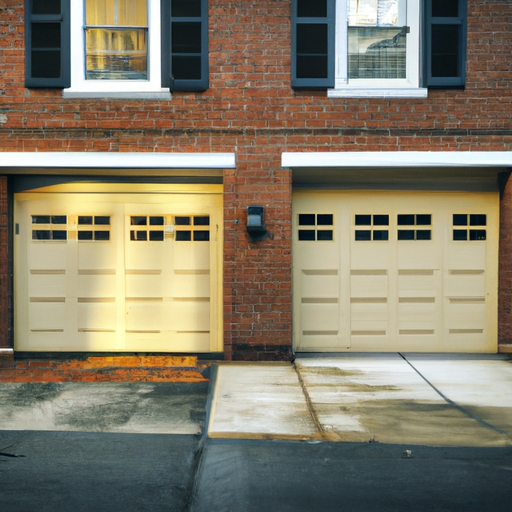
Improve garage door repair safety at home in Cambridge
If you own a home in Cambridge, MA, keeping garage doors safe is a top priority. This guide explains clear, practical steps homeowners can take before, during, and after a garage door repair to reduce risk. Whether you plan a quick tune-up or search for professional garage door repair, these tips will help you manage hazards and protect family and property.
Why safety matters for garage door repair
Garage doors are heavy, spring-loaded assemblies. A small mistake can damage property or cause injury. Proper safety procedures reduce the chance of sudden falls, snapped springs, or malfunctioning openers. For many homeowners the decision is simple: do routine checks and call a pro for anything that looks risky.
Pre-repair checklist: what to do before any work
A short inspection saves time and prevents accidents. Follow this checklist before attempting any DIY fixes or scheduling a service visit.
1. Visual inspection
- Look for gaps, bent tracks, frayed cables, and missing hardware.
- Check the door balance by disconnecting the opener and moving the door halfway; it should stay put.
- Note unusual noises when the door moves—squeaks and grinding often point to worn parts.
2. Basic safety tools & PPE
- Safety glasses and heavy-duty gloves.
- Steady ladder and a helper for balance or holding parts.
- Flashlight and a basic socket set for small adjustments.
3. Know the limits of DIY
Do not attempt work on torsion springs, cable assemblies, or major opener repairs unless you are trained. These components store dangerous energy. When in doubt, hire a qualified technician for garage door repair rather than risk injury.
Safe steps during a repair or tune-up
Whether you’re doing preventive maintenance or preparing for a scheduled service, follow safe practices while the door is being worked on.
Shut power to the opener
Before any repair, unplug the opener or shut off its circuit. This prevents accidental activation while someone is in the track area. If a repair requires the opener to run for testing, keep hands clear of moving parts.
Support the door
- Always use clamps or locking pliers on the track to prevent the door from sliding.
- Never rely on the opener motor to hold the door in place while you work.
Spring and cable warnings
Torsion springs and lift cables contain tremendous tension. Do not loosen, remove, or replace springs without the correct tools and training. If springs look rusty, broken, or mismatched, stop and schedule professional garage door repair.
When to call a professional
Some issues should always be handled by a trained technician. Calling a pro protects you and ensures the repair complies with local standards.
- Broken torsion springs or snapped lift cables.
- Doors that won’t stay open or move unevenly.
- Opener electronics failure, intermittent reversal, or sensor misalignment.
- After a collision with a vehicle or when sections are severely damaged.
For detailed reading and updates on common failures and safety recalls, visit our blog for local advice and seasonal alerts.
Choosing a Cambridge technician: what to check
When hiring for garage door repair, pick a local company with transparent pricing, proper insurance, and clear warranties. Ask these targeted questions:
- Are technicians trained to handle torsion springs and cable systems?
- Do you carry liability and workers’ comp insurance for your crew?
- What is the expected response time in Cambridge neighborhoods?
Confirming these details helps you hire a technician who treats safety as a priority for residential service repairs.
Aftercare: testing, maintenance, and documentation
After any repair, perform tests and keep records. Simple follow-up reduces repeat calls and lengthens the door’s life.
- Test auto-reverse by placing a 2×4 on the floor where the door closes; the door should reverse on contact.
- Check photo-eye sensors for dirt and proper alignment.
- Record parts replaced, warranty details, and the technician’s contact information.
If your repair requires scheduled follow-ups or a service plan, review options under our services to pick a maintenance frequency that matches Cambridge weather and usage patterns.
Weather, permits, and local considerations in MA
Cambridge winters and coastal humidity affect hardware. Springs corrode faster in salty air; rollers and tracks need seasonal checks. For major replacements, verify whether a city permit is required—some structural changes or electrical work do need permits. Your technician can confirm permit needs and local code compliance.
Cost expectations and timelines for Cambridge homeowners
Minor repairs—like sensor realignment or new rollers—often complete the same day. Spring replacement or full-panel replacement may take a few hours to a full day depending on parts. Expect a range for common repairs; get a written estimate before work starts. If pricing surprises you, ask for a parts-and-labor breakdown so you understand the components of the quote.
For fast scheduling or an on-site safety assessment in Cambridge neighborhoods, contact us to book a visit.
Final checklist before you finish
- Confirm the door balance and auto-reverse work correctly.
- Secure loose hardware and oil hinges or rollers as recommended.
- Store the technician’s invoice and warranty papers in a safe place for future claims.
This garage door repair MA how to improve safety guide gives homeowners a practical path to lower risk and make informed hiring choices. Proper preparation, recognizing hazardous components, and picking a qualified residential service technician are the best protections for people and property.
Frequently asked questions — Cambridge, MA
Q: How does Cambridge weather affect garage door components?
A: Winters can accelerate spring and cable wear; coastal humidity speeds corrosion on rollers and tracks. Seasonal inspections before winter and after salty storms help prevent failures.
Q: How long will a typical spring replacement take in Cambridge?
A: Most torsion spring replacements for a standard residential service take 1–2 hours on-site, provided the technician brings the correct springs. Complex doors or custom parts can extend this to half a day.
Q: What price range should I expect for routine repairs?
A: Small repairs like sensor alignment or roller replacement often fall in a modest range. Spring or cable replacement and opener work are costlier—ask for a written estimate that lists parts and labor before authorizing work.
Q: Do I need a permit for garage door replacement in Cambridge?
A: Simple door panel swaps typically do not require permits, but structural changes, new openers with electrical work, or significant framing work may. Your technician should confirm if a city permit is required.
Q: What warranty or guarantees should I demand?
A: Ask for both parts and labor warranties in writing. A reliable residential service will provide a clear warranty period and will stand behind safety-related repairs like spring replacements.
Helpful local resources in Cambridge, MA
- Garage Door Repair Boston
- Garage Door Repair Cambridge
- Garage Door Repair Newton
- Garage Door Repair Lexington
- Garage Door Repair Wellesley
- Garage Door Repair Brookline
- Garage Door Repair Somerville
- Garage Door Repair Burlington
- Garage Door Repair Andover
- Garage Door Repair Weston
- Garage Door Repair Belmont
- Garage Door Repair Westwood
- Garage Door Repair Sharon
- Garage Door Repair Needham
- Garage Door Repair Concord
- Garage Door Repair Hingham
- Garage Door Repair Scituate
- Garage Door Repair Marblehead
- Garage Door Repair Natick
- Garage Door Repair Milton
- Garage Door Repair Acton
- Garage Door Repair Medfield
- Garage Door Repair Sudbury
- Garage Door Repair Wayland
- Garage Door Repair Hanover
- Garage Door Repair Tewksbury
- Garage Door Repair Carlisle
- Garage Door Repair Dover
- Garage Door Repair Hopkinton
- Garage Door Repair Framingham

