

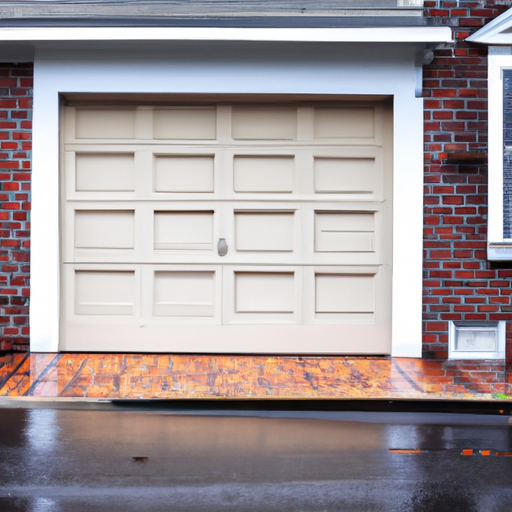
Quieting your garage: practical noise reduction in Cambridge, MA
If your garage is one of the first things you notice in the morning, noisy hardware can sour the start of the day. Homeowners in Cambridge, MA want straightforward tips for garage door maintenance that cut sound without costly replacement. This guide explains why doors hum, rattle, and bang — and gives clear, local-focused fixes you can use now.
Why garage doors make noise
Noise from garage doors is usually a sign of wear, improper alignment, or missing dampening. Regular garage door maintenance reduces creaks and clanks while extending the life of tracks, rollers, springs, and openers. In New England, seasonality and humidity also affect metal parts and seals.
Common sources of sound
- Worn rollers or bearings that need lubrication or replacement.
- Loose bolts and brackets transmitting vibration through framing.
- Old torsion or extension springs that thicken noise as they age.
- Rattling panels or warped seals that vibrate when the door moves.
- An underpowered or poorly mounted opener causing motor noise.
Noise reduction solutions that work
These fixes follow good garage door maintenance practice and can be done as DIY or by a trained residential service technician. Start simple, then move to professional steps if noise persists.
Basic DIY maintenance
- Inspect and tighten: Check fasteners on tracks, hinges, and brackets every 3–6 months. Tighten loose bolts that let vibration spread into the frame.
- Lubricate correctly: Use a silicone or lithium spray on rollers, hinge pins, and the torsion spring shaft. Avoid heavy greases on nylon rollers; they attract grit and worsen noise.
- Replace worn rollers: Nylon or sealed-ball-bearing rollers give a quieter, smoother ride than older metal rollers. Swap them in pairs for even movement.
- Check weatherstripping: Damaged bottom seals and worn side gaskets let wind and vibration enter the garage; replace torn strips to reduce rattles and drafts.
Upgrades that reduce sound
- Install nylon rollers or sealed bearings: These often cut noise dramatically for a moderate cost.
- Switch to a belt-drive opener: If your current opener is chain-driven, a belt-drive unit reduces motor and chain noise, especially in attached garages.
- Add panel insulation or a sound-deadening layer: Insulated panels reduce resonance and improve energy efficiency — a practical home improvement for MA winters.
- Use vibration pads: Mounting pads or rubber isolators under noisy motors and brackets helps stop sound transfer into framing.
When professional service is necessary
Some noise sources require a trained technician. Torsion spring adjustments, cable repairs, and opener motor work can be dangerous if done incorrectly. For safe, lasting results, call a licensed residential service provider when you encounter:
- Broken springs or frayed cables.
- Severe misalignment or bent tracks that hinder smooth travel.
- Persistent motor noise after replacing rollers or insulating panels.
For a list of recommended reads and seasonal tips, see our blog with local advice tailored to Cambridge homeowners.
Maintenance schedule and local considerations
Regular inspection keeps small problems from becoming noisy, costly repairs. Here’s a simple schedule you can follow in Cambridge, MA:
- Monthly: Visual inspection for loose hardware, worn seals, and obvious alignment issues.
- Quarterly: Lubricate moving parts and test balance and auto-reverse safety features.
- Annually: Professional safety check, spring inspection, and opener diagnostics.
Cambridge winters bring temperature swings that can stiffen seals and change metal clearances. If you notice increased noise during cold months, focus on weatherstripping and lubrication before replacing parts.
Cost, timelines, and what to expect
Noise reduction costs vary by solution. Expect the following local ranges as typical for residential service in the MA area:
- Roller replacement (per roller): $25–$75 depending on type.
- Opener upgrade (belt-drive): $300–$700 installed.
- Panel insulation or sound layer: $200–$1,000 depending on door size and materials.
- Professional tune-up and lubrication: $75–$200.
Most repairs or upgrades take 1–4 hours on site. A routine tune-up can often be completed the same day; bigger upgrades may require an appointment window. To schedule a service visit or get a detailed quote, use our contact page and we’ll respond with local availability.
Choosing a local residential service
Pick a company that documents warranty terms, carries liability insurance, and lists parts used. For homeowners prioritizing quiet operation, ask about these specifics before hiring:
- Do they install nylon rollers or sealed bearings as standard?
- What opener brands and models do they recommend for noise reduction?
- Do they perform a balance and safety check after repairs?
Review the full set of services offered to ensure the team handles both maintenance and upgrades by visiting our services page.
Small actions that add up
Consistent garage door maintenance reduces daily noise and prevents more expensive failures. Simple steps like tightening fasteners, replacing worn rollers, and switching to a belt-drive opener often transform a noisy door into a quiet, reliable part of your home improvement plan.
If you live in Cambridge and want a step-by-step plan for noise reduction, call us or book an inspection. A quick tune-up can cut noise and improve safety in one visit.
Frequently asked questions — Cambridge, MA
Q: Does cold Massachusetts weather make garage doors louder?
A: Yes. Cold temperatures stiffen weatherstripping and lubricants, which can increase squeaks and drag. Use a silicone-based lubricant and check seals each fall to minimize winter noise.
Q: How long does a typical noise-reduction tune-up take?
A: Most tune-ups take 45–90 minutes. That includes inspecting springs, lubricating moving parts, tightening hardware, and testing safety features. Upgrades like new rollers or an opener add time.
Q: What price range should I expect for quieter operation?
A: Minor fixes (lubrication, tightening, seals) often cost under $200. Roller upgrades or insulation commonly range $200–$1,000. Opener replacements are typically $300–$700 installed.
Q: Are there warranty or permit considerations in Cambridge?
A: Warranties depend on parts and labor terms; ask for written coverage. Replacing a door or structural framing may trigger local building permits; routine maintenance and most opener swaps usually do not, but check Cambridge Inspectional Services when in doubt.
Q: When should I call a pro instead of DIY?
A: Call a professional for broken springs, frayed cables, bent tracks, or if the door is off-balance. These issues are safety hazards and require specialized tools and training.
Helpful local resources in Cambridge, MA
- Garage Door Repair Boston
- Garage Door Repair Cambridge
- Garage Door Repair Newton
- Garage Door Repair Lexington
- Garage Door Repair Wellesley
- Garage Door Repair Brookline
- Garage Door Repair Somerville
- Garage Door Repair Burlington
- Garage Door Repair Andover
- Garage Door Repair Weston
- Garage Door Repair Belmont
- Garage Door Repair Westwood
- Garage Door Repair Sharon
- Garage Door Repair Needham
- Garage Door Repair Concord
- Garage Door Repair Hingham
- Garage Door Repair Scituate
- Garage Door Repair Marblehead
- Garage Door Repair Natick
- Garage Door Repair Milton
- Garage Door Repair Acton
- Garage Door Repair Medfield
- Garage Door Repair Sudbury
- Garage Door Repair Wayland
- Garage Door Repair Hanover
- Garage Door Repair Tewksbury
- Garage Door Repair Carlisle
- Garage Door Repair Dover
- Garage Door Repair Hopkinton
- Garage Door Repair Framingham

