

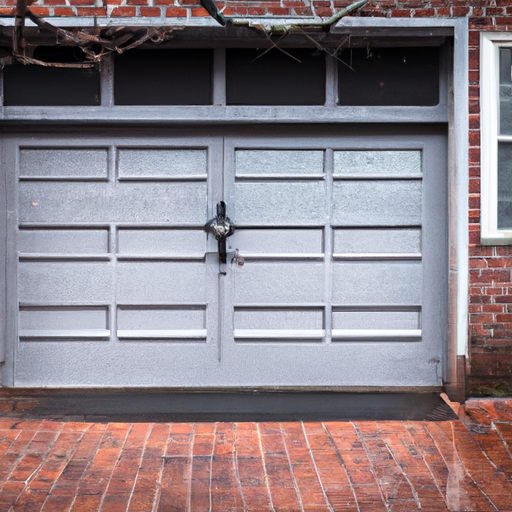
Homeowners in Cambridge, MA face cold winters, freeze-thaw cycles, and coastal humidity that speed wear on garage door hardware. Knowing when to replace components can prevent sudden failures, keep your home secure, and save money on emergency service calls. This guide explains common failure signs, realistic timelines, and whether a DIY fix or professional garage door repair is the safer choice.
How to tell a part needs replacement
Not every squeak or slow cycle means a full replacement. Still, early detection helps. Watch for these clear red flags that point to replacement rather than simple adjustment or lubrication:
- Visible metal fatigue: frayed cables, deep grooves in pulleys, or bent track sections.
- Irreversible wear: split rollers, cracked springs with visible gaps, or broken hinges.
- Alignment failure: the door consistently drifts to one side, rubs the frame, or won’t seal.
- Safety issues: safety reverse fails, photo-eyes misalign frequently, or the opener struggles to lift near its rated capacity.
- Age-related decline: original parts older than recommended lifespans (see timelines below).
When you see structural damage or safety failures, schedule professional garage door repair promptly to avoid property damage or injury.
Common parts, expected lifespans, and replacement cues
Parts wear varies by use, climate, and maintenance. Here are typical timelines and what to watch for in each component.
Springs
Garage door springs work under high tension and are a frequent failure point. Torsion springs typically last 10,000 cycles (about 7–12 years for most homes). Extension springs may fail sooner.
- Replace if a spring breaks, you notice a gap in a torsion spring, or the door drops suddenly.
- Don’t attempt spring replacement without proper tools and training — call a licensed technician.
Cables, drums, and pulleys
Cables fray and drums can develop sharp grooves from long-term wear. Replace when any fraying, rust pitting, or uneven winding appears. These are safety-critical parts; avoid DIY on high-tension cable systems.
Rollers and hinges
Rollers on nylon or steel shafts typically last 5–10 years. Nylon rollers resist corrosion and are quieter; steel rollers are durable but can seize in coastal or winter conditions common around Cambridge.
- Replace rollers if you hear grinding, see visible chips, or the door binds during travel.
- Hinges that crack or bend under load should be swapped to prevent panel misalignment.
Tracks and alignment
Tracks rarely need replacement if undamaged, but gaps, severe dents, or corrosion that prevents a smooth run means replacement or section-by-section repair. Misaligned tracks can be adjusted if the metal is intact; replace if bent beyond safe repair.
Openers and electronics
Openers last 10–15 years depending on duty cycle. Replace when the motor strains, remote range shrinks, or safety features like the auto-reverse fail despite sensor cleaning and alignment.
- Upgrade if you want quieter belt-drive openers, battery backup, or smart-home integration.
- Replace photo-eyes if they fog, corrode, or the door reverses unpredictably.
DIY vs. professional replacement: practical guidance for Cambridge homeowners
Some maintenance is safe for a homeowner: lubricating rollers with a silicone-based product, tightening loose bolts, and clearing debris from tracks. But many repairs are safety-critical.
Do-it-yourself (when safe)
- Lubricate moving metal parts and clean photo-eye lenses.
- Tighten hardware and test the door balance by disconnecting the opener and raising the door manually halfway — it should hold position.
- Replace weather seals and threshold strips yourself to improve energy efficiency and reduce drafts.
Call a professional when:
- Springs, cables, drums, or other high-tension parts are involved.
- There is structural damage to panels, tracks, or the header that affects safety.
- You need reliable diagnosis of intermittent electronic faults or opener motor issues.
Professional garage door repair technicians bring tools, parts, and safety protocols that reduce risk. If you’re unsure, contact a licensed local team through our contact page for an on-site assessment and estimate.
Costs, timelines, and Cambridge-specific tips
In Cambridge, expect slightly higher repair costs than national averages due to labor rates and cold-weather wear. Typical price ranges (ballpark) for common replacements:
- Springs: $150–$350 per spring installed, depending on type and door size.
- Rollers: $100–$250 for a full set with installation.
- Cables or drums: $120–$300 depending on complexity.
- Opener replacement: $350–$800+ depending on features.
Timelines: simple parts swap (rollers, cables) often same-day or next-day; spring replacements and opener installs may take a single visit but plan for 1–3 hours service time. Permit requirements are rare for simple repairs, but larger structural replacements on attached garages may trigger town inspection — ask your technician to advise on local Cambridge or MA rules.
Prevent winter problems by scheduling a pre-winter inspection; salt-spray from coastal storms and freeze-thaw cycles accelerate corrosion. Our maintenance page outlines seasonal checks and available service plans to extend part lifespans — see our services for details.
Maintenance checklist to delay replacement
Regular, simple maintenance can push replacement timelines further out and reduce emergency failures.
- Inspect door balance and test the auto-reverse monthly.
- Clean and lubricate hinges, rollers, and springs twice a year.
- Check cables and pulleys for fraying or rust semi-annually.
- Keep drainage clear near tracks to prevent ice buildup in winter.
- Replace weather seals to prevent moisture entry and wood swelling in older doors.
If you want step-by-step seasonal tips or reminders, sign up for local alerts and read detailed how-tos on our blog.
When in doubt, prioritize safety and call a qualified technician rather than risking DIY repairs on high-tension parts.
Frequently Asked Questions
Q: How does Cambridge winter weather affect garage door parts?
A: Freeze-thaw cycles and road salt accelerate corrosion on cables, rollers, and exposed hardware. Inspect and lubricate parts before winter; replace corroded rollers with nylon models and consider a corrosion-resistant opener.
Q: How long will a torsion spring last in a typical Cambridge home?
A: Most torsion springs are rated for about 10,000 cycles — roughly 7–12 years for average use. Heavy use or cold-weather strain can shorten life; replace at the first signs of fatigue.
Q: What timeline should I expect for a parts replacement job?
A: Simple replacements (rollers, cables) are often completed same-day. Springs or opener swaps usually take 1–3 hours. If structural repairs or permit inspections are needed, allow extra time.
Q: Are there Cambridge permits or rules for replacing garage door parts?
A: Routine part replacements rarely need permits, but structural changes to an attached garage, new header work, or electrical upgrades for an opener may require local permits. Ask your technician to confirm.
Q: What should I expect to pay for a safe spring replacement in MA?
A: In the Cambridge area, professional spring replacement typically runs $150–$350 per spring installed. Exact cost depends on spring type, door size, and labor.
Helpful local resources in Cambridge, MA
- Garage Door Repair Boston
- Garage Door Repair Cambridge
- Garage Door Repair Newton
- Garage Door Repair Lexington
- Garage Door Repair Wellesley
- Garage Door Repair Brookline
- Garage Door Repair Somerville
- Garage Door Repair Burlington
- Garage Door Repair Andover
- Garage Door Repair Weston
- Garage Door Repair Belmont
- Garage Door Repair Westwood
- Garage Door Repair Sharon
- Garage Door Repair Needham
- Garage Door Repair Concord
- Garage Door Repair Hingham
- Garage Door Repair Scituate
- Garage Door Repair Marblehead
- Garage Door Repair Natick
- Garage Door Repair Milton
- Garage Door Repair Acton
- Garage Door Repair Medfield
- Garage Door Repair Sudbury
- Garage Door Repair Wayland
- Garage Door Repair Hanover
- Garage Door Repair Tewksbury
- Garage Door Repair Carlisle
- Garage Door Repair Dover
- Garage Door Repair Hopkinton
- Garage Door Repair Framingham

