

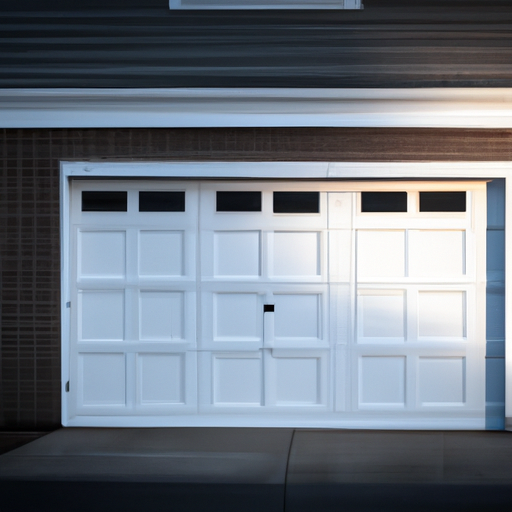
Homeowners in Cambridge, MA should treat garage door repair as a safety priority, not a weekend experiment. A typical two-car door has heavy springs, cables, and moving parts that can cause injury or property damage if a repair goes wrong. This guide explains practical, local steps you can take to reduce risk, know when to DIY, and when to call a trained technician.
Why prioritize safety before any repair
Garage door repair matters because of the forces involved. Torsion springs store a lot of energy; cables and tracks keep the door aligned; the motor and sensors control movement. Small mistakes can lead to snapped springs, sudden drops, or a door that won’t stay balanced. For Cambridge homeowners dealing with winter freeze, salt exposure, or older hardware, safety checks are especially important.
Quick pre-checks every homeowner can do
Before touching tools, do a fast inspection. These checks cost nothing and often reveal the real problem.
- Visual sweep: Look along panels, hinges, and rollers for dents, rust, or gaps. Uneven panels indicate track or spring issues.
- Balance test: With the opener disconnected, raise the door by hand to waist height. It should stay put. If it drifts, springs or cables may be failing.
- Sensor check: Wipe photo-eye sensors clean and test auto-reverse by placing an object under the door. This is a simple safety test for residential service compliance.
- Listen for noise: Grinding or squeaking often points to worn rollers, bearings, or lack of lubrication.
- Weather-related checks: In Cambridge, MA winters, look for frozen tracks, swollen wood frames, or snow-packed thresholds that impede operation.
Tools and PPE to have on hand
If you plan minor maintenance, use basic personal protective equipment and the right tools to avoid accidents.
- Safety glasses and work gloves
- Sturdy ladder and magnetic or three-prong screwdriver set
- Locking pliers and a sample of replacement fasteners (nuts, screws)
- Silicone or lithium-based garage door lubricant (avoid oils that attract dirt)
Keep the owner’s manual for your opener model. If you don’t have it, your local team often posts tips and model guides on the blog: https://garagedoors-cambridge.com/blog.
Safe DIY maintenance vs. repairs to avoid
Routine maintenance helps extend life and reduce the need for major garage door repair. That said, some tasks are best left to pros.
Safe DIY tasks
- Cleaning tracks and sensors with a soft cloth and mild cleaner.
- Lubricating rollers, hinges, and torsion springs using the manufacturer’s recommended lubricant.
- Tightening loose fasteners and replacing worn weatherstripping.
- Resetting or reprogramming remote controls and keypads according to the manual.
Repairs to avoid trying at home
- Spring replacement or adjustment: Torsion and extension springs are under high tension and can cause severe injury if handled incorrectly.
- Cable replacement: Cables are critical for balance. Improper installation can unbalance the door and damage the opener.
- Track realignment: Bent tracks require precise adjustments; a misaligned track can jam the door or cause it to fall off rollers.
- Motor and limit-switch repairs: Electrical work and opener calibration should be done by qualified technicians to maintain warranty and safety standards.
For residents considering larger upgrades as part of home improvement, plan a yearly safety inspection from a certified residential service technician to catch small issues before they become emergencies.
How local weather and structure affect repairs
Cambridge’s seasonal changes influence what fails most often. Cold snaps can stiffen rollers and freeze tracks; coastal proximity and road salt can accelerate rust on hardware. Older homes with wood frames may have shifting that affects door alignment.
- Winter tips: Keep tracks clear of ice and snow; use a silicon-based lubricant to prevent freezing on metal parts.
- Spring maintenance: Inspect for rust and replace rusted fasteners. Look for warping after thaw cycles.
- Storm readiness: If a storm is forecast, park vehicles away from the door path and secure loose items in the garage that could block sensors or tracks.
When to call a professional—and what to expect
Knowing when to escalate to trained technicians reduces risk and often saves money. Call a pro when:
- The door won’t balance or move smoothly after lubricant and fastener checks.
- You hear metal-on-metal grinding, snapping sounds, or see frayed cables.
- There’s visible damage to springs or the torsion tube.
- Your opener shows electrical issues or the auto-reverse function fails safety tests.
A qualified residential service tech will perform a full safety inspection: balance test, spring tension assessment, cable condition, opener diagnostics, and sensor alignment. Many local companies list service scopes and pricing ranges on their pages for transparency—review service offerings before scheduling a visit: https://garagedoors-cambridge.com/services.
Scheduling, permits, and warranties
Minor repairs usually require no permit in Cambridge, MA, but larger structural changes (like framing adjustments or replacing sectional doors with differently sized units) might. Ask your technician to confirm whether a permit is needed and whether their work carries a warranty or parts guarantee. If you’re ready to schedule a safety inspection or need permit guidance, contact local experts through the website: https://garagedoors-cambridge.com/contact.
In emergencies—snapped spring, a door off track, or a garage door stuck down—avoid forcing the door. Clear the area, secure pets and people, and call a professional for a timely response.
Q: How does Cambridge weather affect my garage door, and what seasonal checks help prevent repairs?
A: Freezing temperatures can stiffen rollers and freeze tracks; salt and moisture accelerate rust. In late fall and early spring, clean and lubricate tracks and moving parts, test sensors, and inspect weatherstripping to reduce the chance of a garage door repair emergency.
Q: What is a typical response time for a local technician in Cambridge, MA?
A: Many local garage door companies offer same-day or next-business-day service for safety issues. For urgent failures like a snapped spring or a door off track, ask for emergency availability when you call.
Q: How much should I expect to pay for common safety-related repairs?
A: Prices vary by scope—lubrication and small adjustments are low-cost, while spring or cable replacement is mid-range. Complete door replacement is higher. Ask for an itemized estimate and warranty on parts and labor before work begins.
Q: Are there local permits required for garage door replacement in Cambridge?
A: Simple repairs usually don’t need permits. Structural changes or replacing a unit with a different opening may require permits. Your service technician can advise and, if necessary, help with permit paperwork.
Q: Do warranties cover weather-related damage in Massachusetts?
A: Warranties differ. Manufacturer warranties typically cover defects, not all weather damage. Installation warranties from a residential service provider may cover workmanship—get specifics in writing.
Helpful local resources in Cambridge, MA
- Garage Door Repair Boston
- Garage Door Repair Cambridge
- Garage Door Repair Newton
- Garage Door Repair Lexington
- Garage Door Repair Wellesley
- Garage Door Repair Brookline
- Garage Door Repair Somerville
- Garage Door Repair Burlington
- Garage Door Repair Andover
- Garage Door Repair Weston
- Garage Door Repair Belmont
- Garage Door Repair Westwood
- Garage Door Repair Sharon
- Garage Door Repair Needham
- Garage Door Repair Concord
- Garage Door Repair Hingham
- Garage Door Repair Scituate
- Garage Door Repair Marblehead
- Garage Door Repair Natick
- Garage Door Repair Milton
- Garage Door Repair Acton
- Garage Door Repair Medfield
- Garage Door Repair Sudbury
- Garage Door Repair Wayland
- Garage Door Repair Hanover
- Garage Door Repair Tewksbury
- Garage Door Repair Carlisle
- Garage Door Repair Dover
- Garage Door Repair Hopkinton
- Garage Door Repair Framingham

